































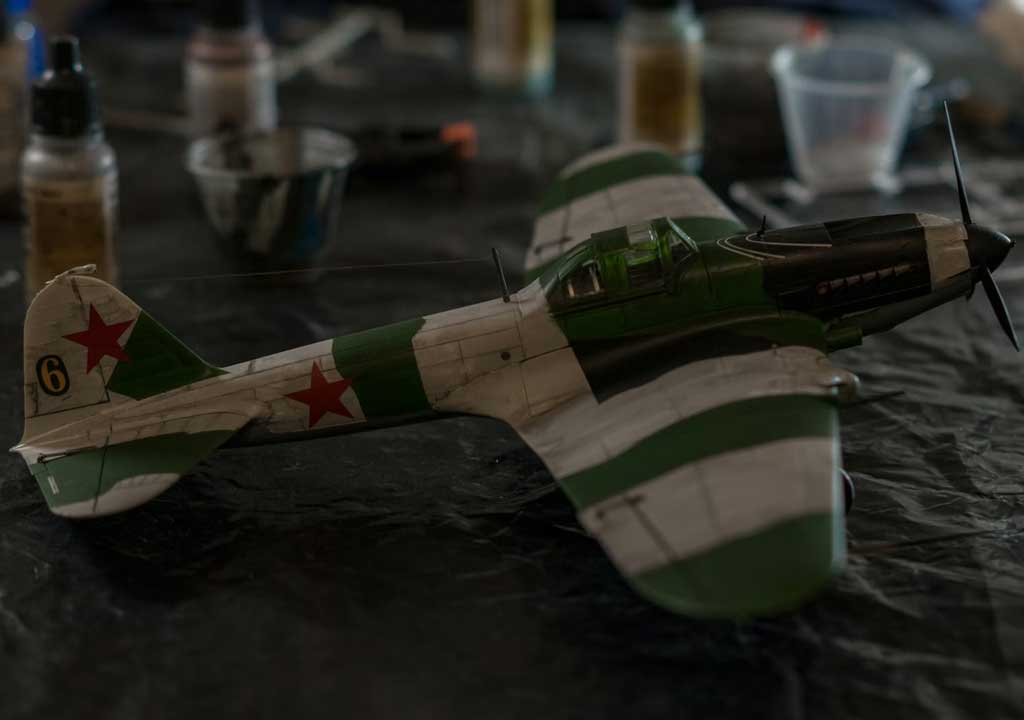
Creating Believable Wear: Oil Dot Filtering and Streaking for Scale Models

Creating Believable Wear: Oil Dot Filtering and Streaking for Scale Models
Weathering is the invisible artist of the scale model world. It whispers rather than shouts, suggesting a history without overpowering the linework that drew you to the project in the first place. Among the many techniques modelers use to tell a convincing story on a tiny canvas, oil dot filtering and streaking stand out for their quiet realism and their versatility. When done with care, these methods mimic the way oils, greases, and grime accumulate and move under gravity and wind over real vehicles, ships, aircraft, and machinery. The result is a finish that feels lived-in, not manufactured.
Oil dot filtering and streaking are not hard-witting shortcuts; they're refined techniques that require nuance, patience, and a clear plan. The goal is not to create a garish layer of mud but to add micro-shadows, soft edges, and directional grime that respond to light and contour. In this guide, you'll learn what oil dot filtering is, how to apply it cleanly on plastic, resin, or metal models, and how to integrate streaking to convey movement and wear. You'll also find practical tips, common mistakes, and a practical workflow you can adapt to aircraft, tanks, ships, and diorama pieces.
What is Oil Dot Filtering?
Oil dot filtering is a weathering method built on tiny, controlled droplets of oil paint or enamel pigment placed on the surface. These droplets act like micro•filters" that interact with the underlying paint when brushed or wiped. The technique leverages two properties: the solvent strength of the oil medium and the way oil pigments stay mobile just long enough to blend into subtle gradients. When you apply a dot of color and then gently blend with a clean, soft brush, you don't smear a single color across the surface. Instead, you create a fine distribution of color that settles into recesses, along panel lines, and near edges, producing a soft, variegated look. The dots can be used as a base for more complex grime or as a stand-alone, very controlled form of shading.
The word•dot" may conjure images of nosedive detachments on a model, but the technique is about small, deliberate touches. Think of each dot as a brushstroke, but in micro form. The magic happens when you vary the size, density, and placement of dots, and then blend them in a way that respects the model's geometry. The effect is not a flat wash; it is a nuanced filigree of color that follows the light and shadow on the surface. When you pair dot filtering with streaking, you can simulate the way grime travels along contours under gravity, wind, and usage. The result is believability-the kind of wear that invites a second look and says,•Yes, this piece has seen work."
For best results, you'll want a light hand, a clean workspace, and an approach that prioritizes transparency and control. The aim is to build layers that add depth without obscuring the details you labored to paint in the first place. Oil dot filtering is particularly forgiving for beginners because you can stop at any layer, adjust, and refine before committing to a final finish. It rewards practice and an observant eye toward how real wear behaves on similar surfaces.
Materials and Tools
Choosing the right materials makes a big difference in how forgiving the process feels. This section outlines a practical, beginner-friendly toolkit that yields professional-looking results without requiring exotic products.
Base paints and surface prep: Start with a clean, smooth surface. Prime as you normally would, then apply the base color(s) you want to weather. A well-prepared surface helps the oil stay in place and prevents unexpected pooling. For aircraft, tanks, and ships, a neutral gray or natural metal base often works best for weathering contrasts. For colored schemes, you'll layer the weathering over a mid-tone that lets the oils breathe without looking muddy.
Oil paints or enamel pigments: You can use artist's oil paints thinned with odorless mineral spirits (OMS) or model enamel paints thinned with their own solvent. Enamel pigments often dry a bit slower and can be very forgiving for dot filtering and streaking. If you're new to the technique, enamel-based weathering products marketed specifically for scale models can feel more predictable. If you prefer acrylics, you'll need an acrylic-safe solvent and faster-drying behavior, but many painters still find enamel or oil-based weathering easier for dot filtering because of longer blending windows.
Thinners and solvents: Odorless mineral spirits or white spirits are common choices for oil-based weathering. They thin the pigment enough to allow dots to flow and blend, but not so much that the color runs away from you. Keep a dedicated jar of solvent for thinning and another for cleaning brushes. If you're using enamel products, check the manufacturer's recommendations for compatible thinners.
Brushes and tools: You'll want a set of fine brushes for dot application (size 0 to 2) and a few mid-size, soft-bristled brushes for blending. A high-quality, soft synthetic brush is ideal for delicate feathering. You'll also benefit from a few: micro-dot tools, wooden cocktail sticks or toothpicks for dot placement, and cotton swabs or lint-free cloths for gentle blotting. For streaking work, long, slender brush tips help you draw finer lines with better control.
Surface care and prep products: Micro-mandatory steps include degreasing the model's surfaces to ensure the oil adheres consistently. Isopropyl alcohol or specialized surface prep products can help. A light matte or satin varnish can be applied between steps if you want to control the interaction of layers. Gentle masking tape helps protect seams or areas you don't want to weather yet.
Lighting, magnification, and reference: A good lamp and, if possible, a magnifying glass or headset will help you see the micro-dots clearly. Reference photos of real-world equipment in similar conditions-industrial machinery, aircraft panels with grime, or naval vessels beneath humidity-provide valuable guidance for color choice and directional wear.
Safety: Work in a well-ventilated area, use gloves if you wish, and follow solvent safety guidelines. Use proper disposal methods for solvents and paint waste; never pour solvents down the drain. Brush cleaning and solvent cleanup should be done with care to avoid skin contact and inhalation of fumes.
Step-by-Step: Oil Dot Filtering
Here is a practical, repeatable workflow you can follow to apply oil dot filtering on a typical scale model. Adapt it to your subject, spacing, and desired level of wear. The steps assume you've already completed base painting and panel detailing, so you're weathering an already clean surface.
1) Prepare your palette of weathering colors. Start with a mid-tone earth or gray that matches the base color. Add a darker shade for deep panel recesses and a lighter shade for highlights or dust. For metal surfaces, rust tones and dark grime can be added. Mix each color with a small amount of thinner to a creamy, not runny consistency. You want it to stay as a dot for a moment before spreading.
2) Decide the wear pattern. Look at how real-life equipment accumulates grime: lower panels tend to be darker due to dust and oil buildup; edges pick up faster corrosion or chafing; rivets, panel lines, and access hatches are natural focal points. You don't need to weather everything the same way; subtle variation looks more convincing.
3) Dip a fine brush into the first weathering color and pick up a small bead of paint. Lightly touch the surface at random locations to lay down tiny droplets. Don't overload the brush; a few dots in each square centimeter is plenty. Avoid forming hard edges; you want soft, micro-dot clusters that look like the first micro-wear marks.
4) Begin blending. Using a clean, soft brush, gently sweep in a circular or feathering motion across the painted dots. The idea is to slightly expand the dots into a haze, but stop before you remove the color entirely. The goal is a controlled diffusion, not a smear. If the surface seems too uniform, add a few more dots in nearby spots to create a natural variance.
5) Push toward edges and creases. Place a small cluster of dots near panel lines, rivets, or seam joints where dirt would collect. The juxtaposition of dot density along raised ridges versus matte flat surfaces helps create depth. A tiny dot along the edge of a panel can simulate oil pooling or grime migrating along a seam under use.
6) Clean-up and refinement. After a short rest, reassess. If a dot looks too neat, you can streak it with a very light, almost dry brush to create a hairline diffusion. If a line of dots seems too heavy, pick up some color with a clean brush or cloth using a gentle dabbing motion to soften the edge. The beauty is in building layers; you can always add more dots later or reduce their visibility with a streak technique described below.
7) Fix or seal between steps. If you're satisfied with the dot distribution but worry about smearing during later steps, consider a light coat of matte varnish over the weathered area before moving to streaking. This•buffer" can help your later strokes glide rather than drag, while preserving the underlying coloration.
8) Repeat with additional colors. Once the base dot filtering has dried, you can apply a second color in the same fashion, perhaps a cooler gray for a mechanical grime effect or a brownish rust tone for exhaust and heat fading. The two colors will interact to produce a more natural, multidimensional appearance. The key is to keep the second pass deliberate and lighter than the first to avoid a muddy result.
9) Final softening. For the most believable finish, perform a final light pass with a very slightly brighter or darker color, depending on the target wear. Use a nearly dry brush and a feathery touch to accent some highlights or deep shadows around edges. The objective is to guide the viewer's eye toward the areas that tell the story of use without overpowering the main paint scheme.
Streaking: Turning Dots into Grime
Streaking is the natural partner to dot filtering. It translates the micro-dots into directional grime, as if oil and dust were pulled downward by gravity, or along airflow, depending on the subject. Streaking can be subtle or pronounced, long or short, but the most convincing results behave as if they belong to the surface, moving with the object's biography rather than fighting it.
The core idea behind streaking with oils is to draw soft, elongated lines that begin near the top or in recesses and travel downward or along a preferred direction. You can accomplish this in several ways, all of which can be adapted to your dot-filtered base.
Create a guided streak with a softened brush. After you've laid dots and allowed them to set for a moment, pick a lighter or darker tone and apply a thin, deliberate stroke along a chosen path. Use a long, sweeping motion that begins slightly outside the dot cluster and crosses toward the lower edge or along the surface's natural run lines. Immediately, with a clean, dry brush or a lint-free cloth, lightly drag the pigment toward the end of the stroke to soften the edge. The goal is not a sharp line but a quiet, softened trace that reads as a smear rather than a painted stripe.
Layered streaks. For more depth, apply a second streak over the first in a slightly different shade. The second streak should not align perfectly with the first; instead, it should arc or bend with the lines of the surface you're depicting. Real wear often follows the contours of panels and curves, so allow your streaks to respond to the geometry you've painted.
Streaking around features. Where would grime naturally accumulate? Edges, screw heads, panel gaps, access hatches, and around exhaust outlets are common targets. You can apply longer streaks along vertical or diagonal axes to mimic gravity and airflow. Short, quick streaks near rivets can simulate surface chafing or minor oil seepage.
Soot and carbon streaks. If your subject is a vehicle that experiences engine heat or exhaust exposure, consider adding very dark, narrow streaks near exhausts or rear surfaces. Keep them thin and well-controlled; you want the effect of soot rather than a broad black smear.
Weathering in layers. You don't need to finish every surface at once. Build up streaking gradually, examining the piece from different angles and under different lighting. This iterative approach helps you maintain balance and avoid overdoing any single area.
Combining with Other Weathering Techniques
Oil dot filtering and streaking are powerful on their own, but the most convincing results often come from combining them with other weathering methods. Here are a few strategies to integrate them without losing coherence.
Dust and pigment powders. A light dusting of pastel powders, pigments, or weathering powders can complement oil-based effects by adding a matte, granular texture. Apply dust lightly to recesses and lower panels, then seal with a light spray of clear matte varnish to keep the blend cohesive.
Washes for depth. Gentle, diluted washes of gray or brown enamel or oil paint can deepen panel lines and emphasize rivets before or after dot filtering. A wash helps define contours, and dot filtering can then be used to•lift" highlights back to the surface for a three-dimensional look.
Chipping with subtle scrapes. For chipped paint or worn edges, consider a micro-chipping technique using a fine brush or a tiny edge of a new blade to simulate flaked paint. Once chips are established, dot filtering can help marry the chipped areas with the surrounding surfaces.
Gloss and satin contrasts. Decide where sheen should remain intact (e.g., cockpit windows, metal surfaces) and where it should be dulled by grime. A final matte or satin varnish can tie everything together, ensuring the oil-based layers don't pop too aggressively against the base finish.
But balance is essential. If you layer too many different techniques without a unifying concept, your model can look busy and lose readability. Start with a simple plan, test on a scrap piece, and then apply to the main model only after you're confident in your approach.
Practical Tips and Common Pitfalls
Even the best techniques can stumble if you rush or misjudge the medium. Here are practical tips to improve your results and avoid the most common missteps.
Practice on test panels. Before weathering your prized kit, practice on a spare sprue part or a rejected build. Create a few micro-dots in different densities and blend them with varying degrees of pressure. This helps you calibrate the amount of pigment and the speed of your brush strokes without risking the main model.
Work in small sessions. Oil dot filtering and streaking can be cumulative; give yourself time between sessions to let the surface dry and to reassess. A fresh perspective often reveals areas that need retouching or softening.
Guard the proportions. Start with subtlety and scale up gradually if needed. It's easier to add another round of dots or a second color than to remove a heavy layer. If you apply too much too soon, you'll need more corrective steps, which can muddy the finish.
Control the waterline. In miniature vehicles, the waterline and ground contact surfaces accumulate grime differently than the upper panels. Keep your streaking and dot density higher on lower surfaces or in crevices where dirt would naturally collect, and keep upper panels lighter unless a specific narrative (such as after a heavy rain) calls for otherwise.
Careful color selection. The color you choose should be a believable relational shade to your base coat. A color that's too saturated or too bright will look artificial. A good rule of thumb is to experiment with a 5-15% tint of the base color for dot filtering to achieve a natural, integrated appearance.
Consistency in direction. If you're modeling a land vehicle or a ship, the direction of streaks should generally reflect gravity and airflow directions. A coherent weathering narrative-such as downward streaks on panels facing upward airflow-helps the viewer interpret the wear as real rather than random.
Protect the finished work. After you've completed the weathering, apply a protective layer of matte varnish. This seals in the oils and reduces the risk of accidental smudges during handling. If you're planning to display the model under critical lighting, a test under that light can identify areas that appear too glossy or too flat and may need additional tweaking.
Finishing Touches: Sanity Checks Before the Display
Before you call a model•done," run through a few checks that many weathering enthusiasts find invaluable. These checks help preserve believability and prevent the piece from looking overworked.
Check scale fidelity. Step back from the model and view it at a distance matching typical display conditions. If the wear reads too large at arm's length, scale it down. Real wear at model scale is often more subtle than it appears up close.
Cross-compare with references. Have a few reference photos of similar vehicles; compare your wear patterns with those in your references. If your model shows down-slope streaks that rarely appear in the reference, consider toning them down to maintain realism.
Evaluate under different lights. Different lighting can reveal or hide a lot of weathering work. A bright, cool light often makes streaks pop, while warm lighting can emphasize color vibrancy. If you can, test in multiple lighting conditions to ensure your finish looks right in your display space.
Assess the narrative. What story does the weathering tell? A clean base layer with tiny, precise dot filtering can imply a recently refurbished machine, while heavier grime and more pronounced streaking suggests long use or harsh operating conditions. Make sure your weathering aligns with the historical or fictional context of your model.
Finish, Safeguards, and Display
After you've completed the dots, streaks, and any additional weathering effects, the finish stage is about protection and presentation. A well-chosen varnish not only seals the work but can subtly modulate shine and contrast to improve realism.
Matte, satin, or gloss? Most scale-model weathering benefits from a matte or satin varnish. Matte seals to a non-reflective finish that matches the muted look of heavily worn surfaces. Satin provides a gentle sheen that can give metallic surfaces a touch of realism without turning them into mirrors. Gloss is rarely appropriate for heavily weathered surfaces, unless you're deliberately simulating waxy or oily residues on a very specific area, such as fresh oil drips around a leaking seam.
Layering varnish and post-weathering shading can help the final look hold up under display lighting. A light mist of satin varnish over the entire model can unify the finish and ensure compatibility with different paints and weathering layers. If you use decals, apply a clear coat before weathering to protect them from solvents and to prevent dot filtering from bleeding under the decal edges.
Handling and display. After sealing, handle your model gently for the first 24-48 hours to ensure the solvents have fully dried and the layers have cured. When displaying, place it away from direct sunlight to avoid ultraviolet degradation of the pigments and to maintain the color balance you achieved during weathering.
Practice Routine and Project Plan
Developing a solid habit around oil dot filtering and streaking will help you achieve consistent results across different projects. Here's a practical practice plan you can adopt, especially if you're new to weathering or want to refine your technique across multiple subjects.
1) Start with a single panel. Take a spare kit part or a test piece and practice dot filtering on a small, flat panel. Use a single color first, apply dots in a grid-like pattern, and then blend outward. This helps you understand viscosity, dot size, and blending pressure without committing to your main model.
2) Move to a curved surface. Practice dot filtering on a curved surface, such as a cylinder or a fuselage section. The curvature will challenge your blending technique and conditions you to adapt dot density and stroke direction to complex geometry.
3) Introduce streaking. On a second practice piece, after you've achieved comfort with dot filtering, add light streaking using the method described above. Start with a few long, diagonal streaks and then add short, irregular streaks in nearby areas to simulate varied grime movement.
4) Apply to a small project. Choose a small kit or a partial build where you can apply the dot-filtering technique across multiple surfaces and track how it behaves on different base coats, such as metal, olive drab, or blue-gray schemes. Compare results and refine color choices and application density.
5) Evaluate and scale up. After you've gained confidence, apply the technique to a larger or more complex model, such as a full aircraft or a tank with multiple surfaces and textures. Take notes on the densities you used, the order of operations, and the ways different materials respond to the oils.
Real-World References: Observing How Wear Happens
Even the most carefully applied dot filtering can miss the mark if you don't study real-world wear. Here are ways to gather useful references without getting overwhelmed by information.
Study old vehicles and equipment. Look at archival photos of military vehicles, industrial machinery, or vehicles used in harsh environments. Notice how grime concentrates in crevices, along edges, and near moving parts. Pay attention to how different materials show wear-metallic surfaces often darken with oils and soot, while painted areas fade and chip at corners where friction occurs.
Observe scale models and finished builds. Many modelers publish build logs or tutorials that show the progression from base coat to final weathering. Reviewing multiple examples helps you see different approaches to dot filtering and streaking, and it gives you ideas for color choices and layering strategies.
Use your surroundings. Everyday scenes-parking lots, service bays, and workshop floors-offer organic patterns of grime, oil, and dust that can inspire your weathering approach. The key is abstraction: translate these real-world textures into color choices and dot patterns that suit your scale, surface, and narrative.
Final Thoughts: Mastery Through Subtlety
Oil dot filtering and streaking are not about making your model look dirty; they're about telling a story of use and environment with restraint. The beauty of these techniques lies in their subtlety: the viewer should notice the weathering only upon closer inspection, not as a loud, front-and-center feature. When you practice, you'll find that a few well-placed dots and a handful of soft streaks can convey a world of history in a few square inches.
As you gain experience, you'll learn to calibrate opacity, density, and direction for each subject. You'll discover how different substrates react to oils, how lighting alters perception, and how a final varnish can unify or subtly alter the final look. You'll also become more confident in your ability to balance weathering with the crisp lines of your original paint job, ensuring neither is compromised by the other.
Most of all, remember that weathering is a dialogue between your intent and your execution. The dots you place-and the little lines you pull after them-are your way of communicating a vehicle's journey through time. With patience, practice, and a careful eye for proportion and texture, your scale models will tell stories that feel authentic and alive.
Conclusion
Oil dot filtering and streaking are powerful tools in the modeler's toolkit for creating believable wear without overwhelming the surface. By starting with clean, modular steps-base coating, dot filtering, controlled blending, then selective streaking-you can achieve a sophisticated weathering level that respects the model's lines and its history. The emphasis on subtlety, layered building, and consistent storytelling ensures that your finished piece communicates realism and care, inviting viewers to step closer and notice the quiet details that reveal a model's world. With the techniques outlined in this guide, plus patient practice and thoughtful references, you'll be well on your way to producing scale models that feel authentic, durable, and truly alive. Happy weathering, and may your dots be precise and your streaks true.
LIKED THIS ARTICLE? SHARE IT: