






























Decals to Dazzle: Finishing Touches for Authentic Scale Model Finishes

Decals to Dazzle: Finishing Touches for Authentic Scale Model Finishes
Decals are more than just stickers that carry markings and insignia. On a scale model, they are the language that communicates a real-world object's identity, history, and function. The way decals sit, react to lighting, and wear with age can make or break the illusion of authenticity. This guide is your roadmap to turning decals into polished, convincing finishes-whether you're building military aircraft, racing cars, ships, or figure kits. We'll cover everything from preparation to advanced techniques, with practical tips, common pitfalls, and a few tricks that separate great decal work from merely good work.
Understanding decals and why preparation matters
Decals come in several formats: water-slide decals, dry-transfer (painted-on) decals, and modern, pre-printed adhesive decals. Water-slide decals are the most common in scale modeling and require dipping in water to release the film from its backing. Dry-transfer decals, often called dry decals or rub-down decals, use pressure instead of water to transfer the adhesive. Regardless of type, the surface you apply them to needs to be pristine and properly prepared. Any microscopic texture, dust, or paint imperfections can show through or cause silvering, wrinkling, or misalignment.
The key concept to internalize is that decals are not a rigid layer of color. They are a flexible film with a slightly tacky adhesive. On a smooth surface, especially when you want subtle panel detailing and weathering to read realistically, you want that film to lay down without edge halos and without trapped air. That demands clean surfaces, appropriate gloss levels, and controlled humidity and temperature during application.
Prep work: surfaces, primers, and gloss coats
Successful decal application starts long before you drop the first decal into water. It begins with surface preparation and the choice of a suitable base finish.
- Cleanliness: Wipe down the model with isopropyl alcohol or mild soap and water to remove oils from your hands, polishing compounds, and release agents from previous steps. A clean surface is non-negotiable.
- Primer: Use a primer compatible with your final topcoat. A fine, consistent primer layer helps the paint beneath read true and gives decals a uniform substrate. If the primer is orange-peel or rough, fix it before decals go on.
- Surface gloss: For most decal work, especially water-slide decals, applying a gloss clear coat to the area where decals will sit makes the film easier to slide and helps prevent silvering. A clear gloss also provides a smooth, hard surface that resists absorbent ink and ensures uniform color transfer. Some builders apply gloss only to the decal areas; others seal entire kits with gloss before decals and then switch to satin or matte finishes later. Either approach works as long as the surface is consistently glossy where decals will be applied.
- Humidity and temperature: Work in a moderate environment. Extremely dry air can cause decals to curl or crack, while high humidity can prolong drying times and affect setting solutions. Aim for about 50-60% relative humidity and a room temperature around 68-72°F (20-22°C) when applying decals and setting solutions.
If you're dealing with curved surfaces-such as fuselage contours, wing ribs, or cylindrical hull sections-you'll benefit from extra patience and techniques. A well-prepared, glossy canvas is the best friend decals have for convincing adhesion and minimal edge visibility.
Tools and products that make decals behave
The right tools can dramatically improve results. Here's a practical shopping list and how each item helps:
- Water or solvent for soaking decals: Distilled water is typically best for water-slide decals. For dry-transfer decals, a rubbing/pressing method is used with a soft instrument or burnishing tool.
- Decal tweezers and a soft brush: Tweezers to handle decals without tearing the film, and a soft brush (often a small, clean synthetic brush) to wick away excess moisture and to gently position the decal.
- Softening and setting solutions: Microset is a decal setting solution that helps decals lie down on irregular surfaces by weakening the adhesive bond and allowing it to move with the surface. Microsol (or similar products) softens the decal film so it conforms to complex shapes and panel lines. Several brands offer compatible sets with similar chemistry.
- Hair dryer or heat lamp: Gentle heat is a powerful ally. A controlled application of heat helps the decal settle into recessed details and reduces edge lift. Use sparingly to avoid overheating and wrinkling.
- Soft micro-detail tools: A cotton swab or tiny sponge for careful pressure; a soft cloth for blotting away excess moisture; and a hobby knife blade for trimming decals when necessary.
- Top coats: Gloss clear coats (for sealing decals and smoothing film) and satin or matte top coats for the final finish. The gloss coat is particularly important before weathering or panel line washes to avoid the wash being trapped under the decal film.
- Panel line washes and pigments: Oils, acrylic washes, or enamel washes for panel lines and recessed details; pigments for soil and dust effects; and dry brushing for highlights.
With the right toolkit, you can reduce misalignment, edge halos, and silvering, which are the three most common decals problems. The rest of this guide will assume you're using water-slide decals with standard setting solutions, but many techniques translate to dry-transfer decals and other systems.
Applying decals: step-by-step
The general workflow for decals is straightforward, but the timing and finesse matter. Here's a practical, repeatable sequence you can use for most kits.
- Prepare the area: Clean the surface, apply a gloss clear coat, and ensure the area is fully dry before you begin.
- Soak the decal: If you're using water-slide decals, place the decal in warm water for 10-20 seconds (or as the manufacturer recommends). The goal is to loosen the backing from the film without tearing it.
- Position the decal: Gently slide the decal off the backing sheet onto the model using tweezers. Use a soft brush or a pair of clean tweezers to help you position the decal precisely. If you need to, re-wet it slightly to adjust alignment.
- Set with Microset: Once positioned, apply Microset under the decal with a small brush or by brushing gently along the edges. This helps the decal conform to curves and panel lines.
- Conform and dry: Lightly apply gentle pressure with the brush to remove any air bubbles and excess water. Let the decal dry for a few minutes. If the surface has heavy contours, additional Microset can be applied and the decal re-positioned as needed.
- Apply Microsol (softening): If the decal needs to conform to recesses or complex shapes, apply Microsol over the decal after the initial setting. This will soften the decal film and allow it to settle into panel lines and rivets. Avoid over-application, which can cause the film to ripple or wrinkle.
- Drying and inspection: Allow the decal to dry fully. Inspect the surface for silvering (air beneath the decal) or edges that haven't fully settled. If you see silvering, you can apply a bit more setting solution and re-blot gently, or apply a light gloss layer and re-treat in the area if needed.
- Seal the decals: Once the decals are dry and settled, apply a gloss clear coat over the area (or the entire model). A gloss sealant gives a final surface that looks like painted details and sets up a uniform base for weathering and washes.
A few tips to keep in mind:
- Don't rush the process. Allow time for each step to dry before moving on. Rushing can cause misalignment or damage the decals.
- Work in small, controlled strokes when using setting solutions. A thin line along the decal edge is usually enough to improve conformity.
- When dealing with very small decals (stencils or insignia), consider pre-cutting and beveling the edges with a sharp hobby knife to reduce the risk of folding and tearing.
Edge management, curvature, and challenging surfaces
Decals adhere best to smooth, uniform planes. Curved or highly contoured surfaces demand more careful handling. Here are techniques to improve outcomes on tricky shapes:
- Divide and conquer: Apply decals in smaller sections rather than attempting a large sheet at once. This helps you manage alignment and reduces distortions caused by heat or tension in the film.
- Use multiple passes with Microset and Microsol: Start with Microset to reduce the film's stiffness slightly and allow initial placement. Then apply Microsol in stages as the decal settles into the contour. Repeat as necessary until the film conforms to the surface details.
- Wraps and diddling corners: For wraps around nose cones or wing tips, apply a decal over a slightly larger area and trim the excess after it adheres. This lets you avoid stretching the decal on the most stressed locations.
- Soft edges on raised details: For decals that sit over raised lettering or textures, use a gentle brush to press the edges toward the surface to minimize edge visibility. A light coat of Microsol after adhesion can help the film settle into tiny textures.
Remember that more is not always better. Overly aggressive solvents can dissolve underlying paint or cause the decal to ripple. Always test on a scrap or an inconspicuous area if you're unsure how a particular decal and surface combination will behave.
Gloss, satin, and matte: choosing the right finish for decals
The top coat you choose after decal application is critical to authenticity and durability. Here are common strategies:
- Gloss clear coat before decals: A glossy surface helps decals settle evenly and reduces edge visibility. It's a popular approach for aircraft and ship models where a glassy finish is often expected.
- Gloss after decals: Some builders apply decals on a gloss surface and then seal with another gloss coat. This ensures a consistent base for weathering and keeps the decals sharp in appearance.
- Satin or matte final coat: The final finish should match real-world appearances. Aircraft often look glossy in new condition but weather quickly to a satin or matte sheen. For armor, ships, and figures, weathered finishes often benefit from satin or matte to better mimic wear and tear.
- Edge-blend approach: In some builds, you apply a gloss topcoat only over the decal area to preserve decal edges, while surrounding areas are finished in satin or matte. This can create a subtle highlight around insignia without producing a stark border.
Whichever route you choose, ensure your final coat is compatible with wash and pigment products you plan to use. Incompatibilities, such as solvents that attack enamel washes, can ruin the finish.
Weathering and decals: bringing realism to life
Decals don't exist in a vacuum. The real magic happens when you apply weathering that reads correctly with the decals. Here are widely used approaches:
- Washes: A panel-line wash (often a dark oil or enamel wash) settles into recesses and around decals to deepen details and enhance contrast. Apply after decals are sealed with a gloss coat. The wash will naturally settle around edges and under raised features, giving a sense of depth that decals alone cannot achieve.
- Dry brushing: Lighter tones highlight raised details. Use a dry brush technique to bring out subtle edges around decals, improving the perception of depth without over-saturating the finish.
- Chipping and wear: Decal areas, especially in high-wear zones, can be chipped or worn through to reveal underlying paint or primer. Use fine brushes or sponge techniques to simulate paint loss, rust, and metal showing through in a controlled, believable manner.
- Rust, soot, and dirt: Pigments and weathering powders can be brushed into recesses and along panel gaps to simulate dirt buildup around decal placement. Be mindful of directionality (windward edges vs. leeward edges) to maintain realism.
- Oil dot filtering and streaking: Freehand oil paints can add subtle streaks and color shifts that interact with decal markings, creating a convincing, lived-in look. Oil filters should be used sparingly and blended carefully to avoid obscuring the decals.
A common workflow is: apply decals, seal with gloss, apply a wash to emphasize details, re-seal with satin or matte, and then finish with final weathering. This layered approach helps decals stay legible while still participating in the overall weathered narrative of the model.
Edge retention, silvering, and troubleshooting
Even with best practices, you may encounter issues. Here are common problems and how to address them:
- Silvering: This occurs when air gets trapped under the decal, creating a cloudy edge. Solutions include applying Microset followed by Microsol more aggressively, warming the area with a gentle heat source to encourage film conformity, or applying an additional light gloss coat and reworking the decal edge with Microsol.
- Edge lifting: Ensure your surface is clean and glossy where decals sit. Edges can lift if the surface is too rough or if a solvent attack occurs from later washes. Re-seal and re-apply if necessary.
- Tearing or cracking: This can happen with brittle decals or when a surface is overstretched. Trim carefully and reapply, avoiding excessive stretching. If a decal has already torn, you may be able to salvage by placing a new decal piece over the tear and covering with a thin layer of Microset/Microsol as needed.
- Discoloration after weathering: If washes or pigments alter the color of decals undesirably, place a light gloss or satin over the area and re-balance with the final top coat. Sometimes a dedicated decal setting solution can help re-synchronize the film with the painted surface.
- Sticky residue: Occasionally, setting solutions leave a slight residue. Wipe gently with a clean microfiber cloth and, if needed, a light final gloss coat to smooth the area.
The best antidote to most decal issues is prevention: pre-wet testing of setting solutions, working in controlled conditions, and allowing adequate drying time before applying the next step.
Case studies: three practical decal finishing scenarios
To illustrate how these principles come together in real builds, here are three concise case studies highlighting different scales and genres.
Case Study A: 1/48 WWII fighter with stenciled insignia
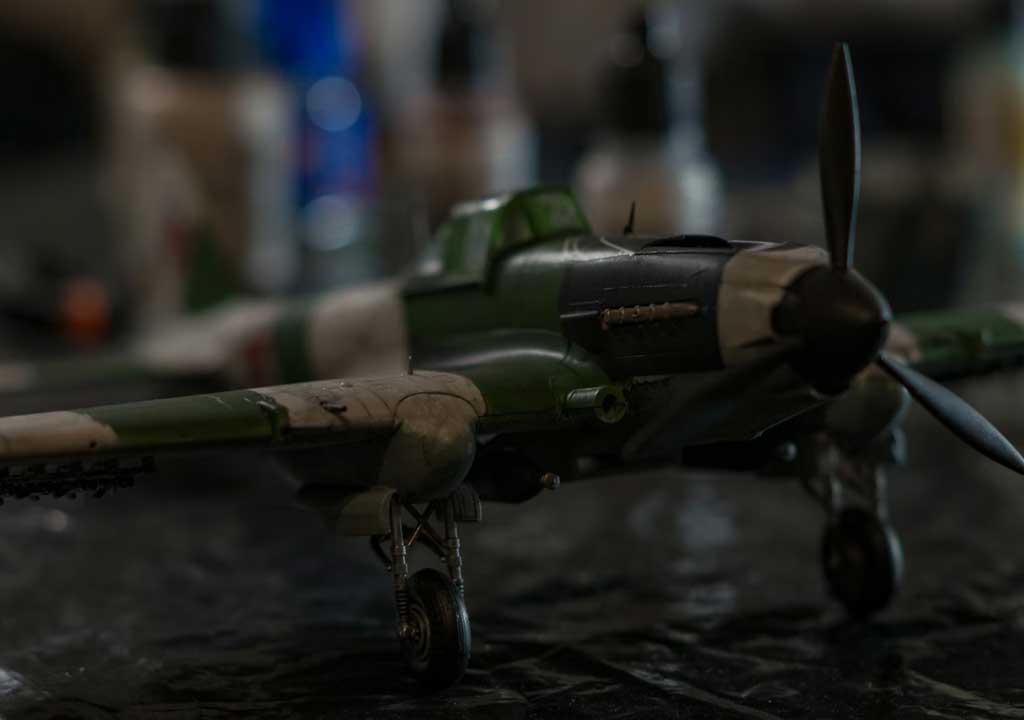
This build relied on a large sheet of stencils and national insignia. The base model was primed and painted, then finished with a light gloss clear coat. Decals were applied first to larger areas, using Microset to seat the wings and fuselage markings. After drying, Microsol helped the thinner wing insignia conform to curved surfaces. A second gloss seal was applied, followed by a pale wash to accent panel lines. The final finish was a satin cote to reflect typical warbird wear and minimize glare on the micro insignia.
Case Study B: 1/72 modern naval ship with complex deck markings
A complex deck with small vessel-identification decals required meticulous handling. The decals were applied on a gloss deck base with the deck painted in a weathered gray. After each decal, Microset and occasional Microsol sessions were used to push the film into deck textures and avoid bridging over hatches. A full gloss seal locked decals in place. Then, careful pigment work simulated deck wear, with a light matte top coat to blend weathering with the decals' subtle shine, producing a realistic, functional look.
Case Study C: 1/35 figure diorama with painted decals under a face shield
This diorama used dry-transfer decals for insignia on a figure's armor, as well as painted-on decals for insignia on the shield. The dry transfers provided crisp, sharp edges, while the painted decals required softening with a light solvent and gentle burnishing to prevent visible borders. After the decals cured, a gloss topcoat was applied, followed by a micro-wash to emphasize recessed details around the decals. The final matte finish gave the scene a believable, gritty atmosphere.
Finishing touches for authenticity: integration with the rest of the model
Decals should feel like they belong to the model's narrative rather than floating above it. The best way to achieve this is to plan the decals as part of the overall finish, not as an afterthought.
- Color matching and tone: Ensure the colors of the decals optimize readability against the base paint. In some cases, decals printed in a slightly darker shade may appear more realistic for older or weathered markings.
- Weathering coherence: The direction and intensity of weathering should relate to decal placement. For example, decals near wing roots or engine bays might show more wear due to airflow or heat.
- Spectral consistency: Lighting and the final topcoat should present a consistent surface reflectivity. A too-bright gloss around a weathered panel can disrupt the perception of age; choose a final sheen that harmonizes with the broader finish.
- Preservation of readability: The goal is decals that are legible and convincingly integrated. Striking a balance between bold markings and subtle weathering often yields the most authentic results.
Experimentation and practice: building your decal confidence
Like any modeling skill, decal mastery comes from practice and experimentation. Here are some low-risk ways to build confidence:
- Practice on test panels: If you're unsure how a decal will interact with your paint scheme, apply it to a scrap test panel painted in the same way. This can save a lot of trial-and-error on your main kit.
- Try different solutions: Microset and Microsol options vary by brand. Test a couple of products to learn how they interact with your paints and plastics, especially on curved or detailed areas.
- Document your process: Take notes or photos at each stage. This helps you reproduce successful strategies and avoid repeating mistakes on future projects.
Final tips for decal success
Here are a handful of practical, high-yield tips that often make the difference between•decal applied" and•decal integrated."
- Work in clean, well-lit conditions to avoid mishaps and ensure you can see edge lines clearly.
- Use a light touch with tools and avoid forcing decals into places they don't want to sit. Gentle pressure with a soft brush often yields better conformity than brute force.
- Always test solvents and top coats on a spare piece of plastic or an inconspicuous area before applying to the main model.
- When in doubt, apply a thin gloss finish and let it cure completely before proceeding with weathering. A well-sealed decal will hold up to washes and pigments better than one unsealed.
- Be patient: even the best decals can take time to settle and cure. Rushing steps, especially around intricate markings, can lead to disappointing results.
Resource hub: brands, products, and where to learn more
A growing ecosystem of decal products and finishing tools supports the hobby. While brand names evolve and new options appear, some staples remain reliable anchors in decal work:
- Decal setting and softening solutions: Microset, Microsol, and their equivalents from other brands. These are your primary tools for improving conformity on difficult surfaces.
- Gloss and satin top coats: High-quality clear coats-both gloss and satin/matte-are essential for sealing decals and establishing the base for weathering. Look for products compatible with acrylic and enamel washes if you plan to use both.
- Weathering materials: Oils, acrylic washes, pigments, and dry pigments for dust and rust effects. A small, curated set goes a long way toward believable finishes.
- Finishing techniques resources: Modeling books, reputable YouTube channels, and local modeling clubs can provide demonstrations and feedback. Watching a few skilled modellers work through decal challenges can be incredibly instructive.
- Test materials: Always keep spare decal sheets, test paints, and test panels handy for experiments. This reduces risk of damaging your main build when trying a new technique.
If you're new to decals, consider starting with a kit that includes a generous decal sheet and markings appropriate to the scale. As you gain confidence, you can branch into aftermarket decals, which often provide more variety and the opportunity to create historically accurate or fictional insignia for dioramas and display pieces.
Conclusion: decals as the finishing touch that elevates realism
When decals are applied with care, supported by proper surface preparation, and finished with appropriate top coats and weathering, they become more than just branding on a model. They become a communication of scale, era, and purpose-a believable bridge between artwork and the real thing. The process rewards patience, precision, and a willingness to adapt techniques to suit the subject matter and your personal style.
If you remember just a few core ideas-prepare a glossy foundation, use setting solutions to coax decals into shape, seal decisively, and layer weathering masterfully-you'll see a tangible uplift in the authenticity of your builds. With decals mastered, the•finish line" of a model is not the last moment of painting, but the moment when all the individual parts converse with each other to reveal a convincing, scale-accurate piece of history.
Happy modeling, and may your decals always sit down smoothly and your finishes tell a credible, exciting story.
LIKED THIS ARTICLE? SHARE IT: