

































Creating Realistic Surfaces: Wood, Metal, and Plastic on Scale Models

Creating Realistic Surfaces: Wood, Metal, and Plastic on Scale Models
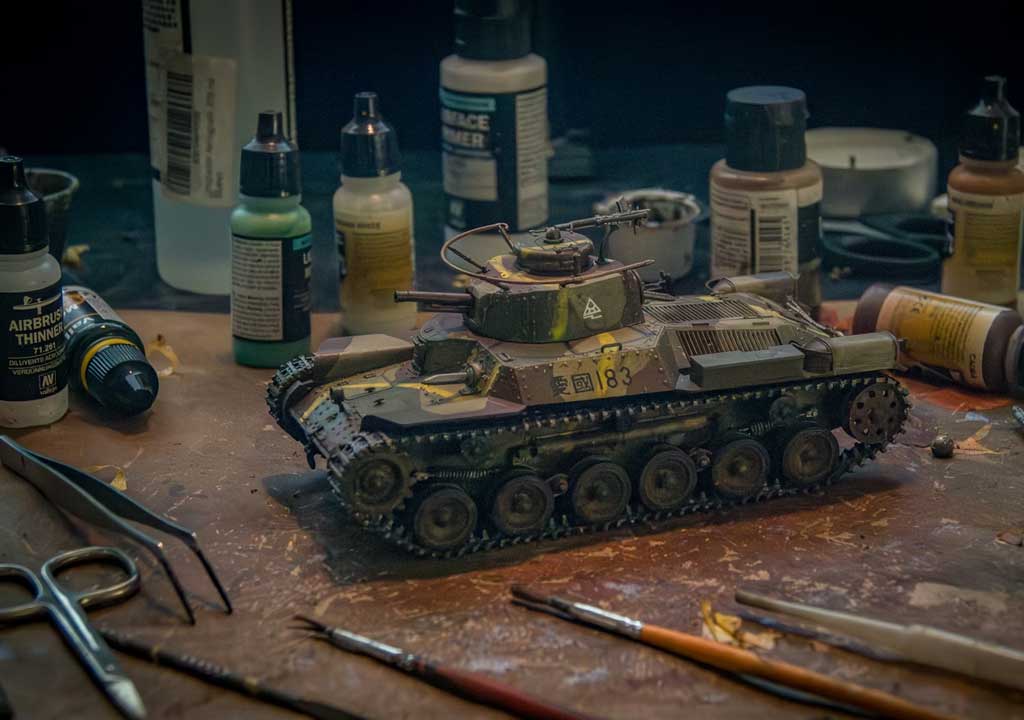
Realism in scale modeling isn't just about painting a miniature to look like the real thing. It's about convincing texture, wear, and patina. The surfaces of a model-whether it's a wooden crate, a steel hull, or a plastic cockpit-tell a story about use, age, and environment. Mastery comes from understanding how light interacts with different materials, how pigments settle into tiny crevices, and how to layer color so that the illusion of real material is believable at a small scale. In this post, we'll explore practical approaches to creating convincing wood, metal, and plastic surfaces on scale models, with step-by-step techniques, suggested products, and common pitfalls to avoid.
What makes a surface believable at scale?
Three things govern the realism of any surface: texture, color variation, and wear. Texture can be tactile or implied through painting techniques; color variation prevents flat, uniform tones and helps mimic natural materials; wear and patina convey use, age, and environmental exposure. Scale matters: at small sizes, you exaggerate details slightly-panel lines become channels for washes; edges dull more quickly; grain patterns are more subtle but still present. The goal isn't to replicate a full-size piece exactly but to persuade the viewer that the miniature has the same physical properties as the real material, within the constraints of the scale and the model's environment.
Tools, materials, and a planning mindset
Before you dive into painting, assemble a toolkit tailored to surface realism. Core categories include:
- Paints: acrylics (water-based), enamels, and oil paints in small bottles or pans. Each type has its strengths for different textures and weathering effects.
- Washes and inks: thin, darkened pigments that flow into panel lines and recesses to emphasize depth.
- Glazes and filters: translucent color layers that unify tones and subtly shift hues across a surface.
- Weathering powders and pigments: dry, semi-dry, or wet applications for dirt, rust, dust, and soot.
- Oil or enamel-based dot filters and streaking effects: slow-drying colors for fine lines and discoloration.
- Clear coats: gloss, satin, and matte finishes to prepare or seal surfaces, control shine, and protect work.
- Surface preparers and fillers: micro fillers for smoothing plastic seams, sanding sticks, and micro-mesh sheets for refining textures.
- Masking materials: painter's tape, masking fluid, and soft-cover masking to create clean lines and protect areas during weathering.
- Tools: fine brushes (1-00 to 000), soft brushes for gentle blending, a hobby knife, a toothpick or pin for subtle chipping, and a soft cloth for clean-up and dusting.
Beyond materials, success hinges on a plan. Think of each surface as a small scene: what is it made of, what environment has it endured, and where would wear accumulate most? With this mindset, you tailor color choices, weathering intensity, and finishing steps to tell the right story.
Wood surfaces on scale models
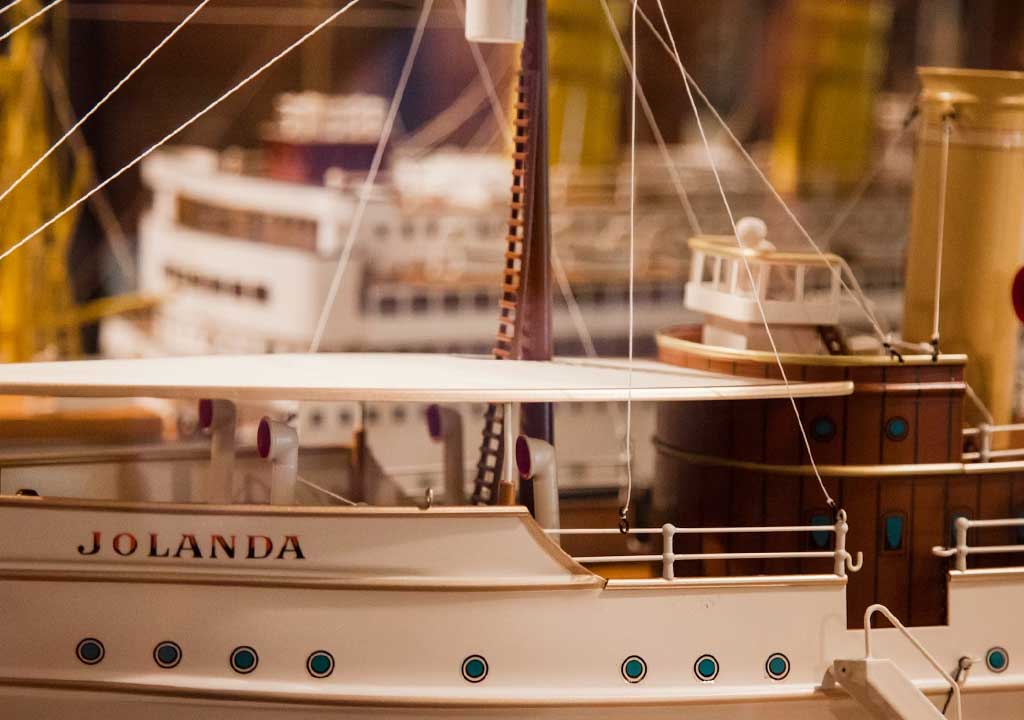
Wood brings warmth, grain, and natural variation to any model-whether it's a model ship's hull planks, a wagon's wooden bed, or a crate in a diorama. While real wood grain is visible to the eye, in scale you'll rely on paint and texture tricks to imply grain and continuity without overdoing it.
Key characteristics to emulate:
- Grain patterns: straight, wavy, or curly depending on wood type; direction of grain matters for panels and boards.
- Color variation: subtle shifts along boards or within a panel; boards aged differently due to exposure and use.
- Surface finish: even-ish with occasional wear; most wooden surfaces are not perfectly glossy unless varnished aggressively.
- Wear and damage: scratches, damp stains, sun-bleaching, and wormholes or chip damage in older pieces.
Practical workflow for wood surfaces:
1) Prepare the surface: If you're using wood or wood-like decals, ensure the surface is clean and smooth. For plastic or resin parts, remove any mold release residues with mild soap and a rinse, then lightly sand the surfaces for better paint adhesion. If you're using a veneer or thin wooden sheet, pre-shade with a neutral tan or light brown base coat to bring out grain later.
2) Base color: Apply a warm base color that resembles the wood you're simulating. Common choices include light tan, warm beige, or medium brown. Avoid over-saturating; you'll build depth with glazes later. For a pine-like appearance, a light yellow-brown base works well; for walnut or oak, opt for richer browns.
3) Grain work: There are several grain-creation approaches, depending on your preferred style and scale:
- Dry brushing: Use a stiff brush with nearly dry paint to skim along the surface, creating light streaks that resemble grain. Vary the pressure and angle to mimic natural grain direction.
- Fine line painting: With a very thin brush or a stylus, paint fine, irregular lines following the grain direction. Use a color that's slightly lighter or darker than the base to create contrast.
- Wood-grain pencil: Some modelers use color pencils or graphite pencils for delicate lines; seal them with a light varnish to prevent smudging.
- Graining with a stencil: For consistent, repeating grain, you can use a wood-grain stencil; blend lines with a soft brush or cotton swab afterward.
4) Color variation and glazing: Wood rarely exists as a flat color. Create subtle color variation across the surface using washes or glazes. A thin glaze of a slightly darker brown or amber can settle into recessed areas and the grain lines, giving depth. Build layers gradually; multiple very thin coats read better than a single heavy coat.
5) Weathering and wear: Consider the surface's life story. Edges near doors or hinges may be lighter or darker depending on sun exposure and handling. Add bruises, small nicks, or chipping with a fine brush, sponge, or edge of a blade. Oak or teak surfaces might show golden tones in high wear areas; pine might display yellowish highlights in sunlit spots.
6) Sealing and protection: When you're satisfied, apply a protective clear coat. A satin or matte finish often suits wood best, reducing unwanted shine while preserving the grain's visibility. If you plan to apply decals or heavy weathering later, consider a gloss coat first to provide a smooth surface for adhesion, then re-matte as needed.
Tips for realistic wooden surfaces:
- Work in layers. Wood looks best when color shifts are built up gradually rather than in one heavy application.
- Consider the source of light in your diorama. Warm lighting can enhance amber tones in wood; cool lighting may shift grain appearance toward gray-brown hues.
- Use real wood textures sparingly. If you're using actual veneer or planked wood, treat it with a protectant and sealant to prevent warping and retain the model's stability.
Metal surfaces on scale models
Metal surfaces add a distinctly different character: the sheen and micro-scratches reflect light in ways plastic or wood do not. You'll encounter bare metal (weathered, oxidized, or polished), painted metal (uniform or mottled), and mixed-metal joints where different metals meet. Achieving a convincing metal look means mixing base color, weathering, and sometimes even using specialized products like metal foils or ready-made metallic paints.
Important characteristics to reproduce:
- Base reflections: metallic surfaces catch and reflect light; high-gloss areas on new metal can suggest polish, while duller areas show wear or oxidation.
- Panel lines and panel gaps: even metal skins have seams. Panel lines darken with washes and pigments, emphasizing the industrial character of a metal construction.
- Wear and corrosion: rust, tarnish, staining, and pitting add realism. Different metals corrode in different ways and at different rates.
- Chip and scratch patterns: edges and protruding features accumulate wear, exposing base metal color or primer beneath.
Base techniques for metal surfaces:
1) Choose a metal look: Decide whether you're modeling chrome, aluminum, steel, brass, or a painted metal surface. Your choice drives the base color and the type of weathering you'll use.
2) Pre-shading and base coat: For panels with pronounced panel lines, pre-shading with a dark color along lines helps the washes settle into the recesses later. A common approach is to spray a black or dark gray along panel lines, then spray a lighter metallic base over the surface. If you're aiming for a brushed-metal look, consider laying down a reflective base (aluminum or steel color) with lighter and darker streaks to mimic wear.
3) Weathering and aging:
- Rust and oxidation: Use orange-brown and reddish brown washes to suggest surface oxidation. Apply with a fine brush or airbrush; push the color into crevices and around bolts or rivets where moisture would settle.
- Streaking and patina: Layer thin, cool-toned washes (blue-gray, brown-gray) to simulate oxidation streaks and grime running down the surface.
- Chipping and scratches: Use a fine brush, a needle, or a fine sponge to apply small, irregular chips to edges and high-wear areas. Underneath the chips, show a brighter metal color or the primer color for realism.
- Brushed metal and reflections: For highly polished metal, a light dry-brush with a pale, almost silvery color can simulate micro-scratches and reflections. Finish with a gloss or satin seal to preserve the look.
- Patina and grime: Apply a wash of brown or gray to settle into recessed areas, then lightly wipe away with a cloth to leave concentrated color in crevices and around fasteners.
4) Finishing: A clear coat is essential to protect the weathering work. Gloss coats can enhance metallic luster before a final matte coat, if you want a two-stage finish. Some modellers prefer a satin coat for metallic surfaces to balance reflectivity and realism.
Tips for metallic realism:
- Use Alclad or other specialized metallic paints for high-quality base metals; they often require a gloss black base and can yield highly realistic results with careful assembly and masking.
- For non-bright metals (rust-prone or aged surfaces), keep the palette earthier-oxidized greens, browns, and dull yellows can imply tarnish without looking unnatural.
- Consider the environment: salt air, industrial grime, and rain yield distinct weathering patterns. A ship's portholes, for example, will accumulate metallic oxidation differently than a modern car's chassis.
Plastic surfaces on scale models
Plastic is the common substrate in hobby kits: styrene, resin, or 3D-printed parts. Plastic surfaces pose unique challenges and opportunities. You'll often find panel lines and sprue gates that benefit from careful handling to avoid unsightly seams. You'll also see that plastic responds well to washes, and that color shifts can simulate aging and usage across different areas of the model.
What to emulate in plastic surfaces:
- Panel lines: they accept washes and pigments readily; use them to your advantage for depth.
- Seams and gaps: model kits frequently have seam lines at joints that should be minimized or disguised with putty and careful sanding.
- Plastic color life: plastics can fade or discolor with sun exposure and usage; you can simulate this with filters and subtle color shifts.
- Canopy and transparency: ensure clear parts are free of dust, fingerprints, and residues; protect with masking and, later, a clean clear coat for protection.
Common plastic surface techniques:
1) Surface prep: Clean parts to remove mold release agents and fingerprints. Lightly sand seams and ridges with fine grit (e.g., 400-600 grit) to smooth them. For deeper gaps, apply putty, let it cure, then sand again for a seamless finish.
2) Primer and base color: Use a primer that suits your final paint system. Light gray or white primers help colorful paints appear true to tone. For molded-in panel lines, consider applying a slightly darker base color or a wash to make lines stand out.
3) Weathering and aging: Plastic parts are often touted for crisp lines and clean surfaces, but in dioramas or weathered builds, you'll want to add grime in wheel wells, undercarriages, and along doors. Here are some approaches:
- Panel line washes: A thinned dark color (gray, brown, or black) flows into the grooves, emphasizing depth. Wipe the surface to leave the color where you want it.
- Dry brushing: Lightly brush near edges and raised details to highlight edges and create a sense of wear without overdoing it.
- Chipping: For plastic, chips can be created with a fine brush, a micro-sponge, or the•hairspray" technique (below) to simulate paint being worn away and showing primer or underlying plastic.
- Dust and grime: Pigments and powders work well for flat surfaces and wheel wells; apply with a soft brush and fix with a light clear coat.
- Paint fading: Use thin glazes or filters to slightly desaturate colors in areas exposed to sun or heat, yielding a natural weathered look.
4) Glassy and translucent parts: Windscreens, canopies, and lights often require special care. Start with a clean, crisp base coat or clear plastic, apply a light haze or tint as needed, and protect with a clear coat to avoid scratching. If you use decals on transparent parts, seal them carefully with a clear gloss coat to prevent silvering and enhance adhesion.
5) Finishing: Decide on a finish that matches the model's environment. A satin or matte finish is standard for most models; however, a gloss varnish on certain panels (such as new metal or fresh paint) can add realism by creating highlights before toning down with a final topcoat.
Practical tips for plastic realism:
- Use different paint types strategically: enamel washes and oil glazes can create richer shadows on plastic than water-based acrylics alone.
- Masking is your friend. Clean lines between colors and areas of different materials keep the surface believable.
- Consider scale-appropriate wear. Chips and scratches are more noticeable at smaller scales, but they should be used sparingly to avoid looking like toy imperfections.
Cross-cutting techniques that elevate all surfaces
Some techniques transcend material type and help unify your model's surfaces. Here are a few tried-and-true methods you can apply regardless of the base material:
- Filters and glazes: Transparent color layers that slightly alter the entire surface's tone, bringing harmony to varied colors and materials. Use a very light touch and apply in multiple thin layers.
- Pin washes: Very fine washes applied to panel lines and rivets to glow in the recesses; suitable for wood, metal, and plastic alike. After application, wick away excess paint to avoid pooling.
- Chipping and wear: Edge wear and random chips along panels or edges simulate heavy use. Use micro brushes, sponge, or a fine-point tool for control. For plastic, you can dot chips with a lighter color that matches underlying primer or base plastic.
- Weathering powders and pigments: Dust and grime can settle anywhere gaps exist; apply with a soft brush and fix with a sealing layer. They are also excellent for creating dirt in wheel wells and along the lower edges.
- Dust and grime realism: For outdoor dioramas, consider the direction of wind-driven dust. Apply pigment in the same direction along the length of surfaces to suggest drift and granularity of soil and soot.
- Edge highlights: Subtle, lighter shades along edges make a surface pop and suggest worn edges. Use a tiny brush to paint a whisper-thin highlight that catches the light.
Remember to balance techniques. Overweathering any single surface can make the model look overdone or cartoonish. The best results come from an integrated approach where wood, metal, and plastic elements share a common weathering vocabulary-quiet, believable, and context-appropriate.
Weathering in dioramas and realistic contexts
When your model sits in a scene, weathering must make sense in its environment. A ship's hull in saltwater battles corrosion along the waterline; a wooden cargo crate in a warehouse collects dust and rover marks from handling; a metal engine part under a vehicle may accumulate oil stains and rust. Always consider the following:
- Environment: Is the piece exposed to sun, rain, salt air, or industrial pollutants? Each environment fosters different wear patterns.
- Usage: Areas of frequent contact (doors, handrails, grips) wear differently from protected surfaces.
- Maintenance: Access points, removeable panels, and joints often show patched or replaced paint that differs slightly from surrounding areas.
To simulate a scene, you can build the narrative through the surfaces themselves. A wooden crate used for shipping might show water stains and sun bleaching on top with darker, damp areas along the bottom corners. A metallic hull might be oxidized and pitted near joints while remaining relatively polished on the outer panels, suggesting selective corrosion. Plastic components in a vehicle's interior could be lightly faded from sun exposure and have micro-chips near frequently touched areas.
Finishing touches: sealing, protection, and maintenance
After you've built realistic surfaces, sealing them properly is essential. Clear coats protect weathering work and unify the finish. Consider the following strategies:
- Gloss first, then matte: If you anticipate significant weathering after painting, a gloss clear coat can help paints and washes settle smoothly. You can apply a final matte or satin coat to mute shine and unify the look.
- Glazing vs. washes: Glazes are more controlled and can be layered to adjust the overall tone. Washes are great for adding depth quickly but can be more dominant. Use glazes for large areas and washes for fine detail.
- Protection of decals and small parts: Clear coats protect decals from chipping or dulling during handling. For delicate film decals on plastic, use a gentle touch and light coats to avoid silvering.
- Revisiting weathering: It's normal to revisit a surface after it dries. If you find an area too strong, clean it up with a gentle solvent (as appropriate for the paint type) or re-coat with a thin glaze to reset the tone.
In addition to liquids, dry weathering methods-powders, pastels, and chalks-offer a different texture that reads well at scale. They're especially effective for dust and soil on wheels, footwells, and low-lying surfaces where grime would accumulate over time. Fix powders with a light matte sealant to prevent smudging during handling.
Common mistakes and quick fixes
Even experienced modelers slip into common traps. Here are a few frequent mistakes and how to avoid or fix them:
- Over-saturation: Too many layers of weathering can overwhelm the model. Fix by toning back with a lighter glaze or additional clear coat to restore balance.
- Flat look: Surfaces without variation look artificial. Add controlled shading, edge highlights, and subtle color shifts to mimic natural variation.
- Inconsistent finishes: If some surfaces are too glossy and others too dull, unify with a final pass of a mild satin coat to bring cohesion.
- Chipping too aggressive: Heavy chipping across large areas can appear fake. Limit chips to edges or high-wear regions and use a smaller chip size close to real-life wear.
- Unrealistic rust or grime: Rust and grime should appear where moisture and friction would accumulate. Avoid applying rust everywhere; target joints, rivets, bolts, and lower edges to ground the look in reality.
Fixing techniques are flexible. For example, if rust looks too uniform, apply a fresh, darker wash in the deeper crevices to create more depth, then reduce the intensity with a light dry brush of the base color. If a grain on wood looks flat, reintroduce dry-brushed highlights and glaze with a transparent brown to enrich the wood's warmth.
Case study: a small diorama with wood, metal, and plastic elements
Let's imagine a simple diorama scene-a weathered cargo ship's deck with wooden planks, metal fixtures, and a few plastic crates as props. Here's a concise workflow to tie three materials into one cohesive look:
- Wood deck: Start with a tan base coat. Lightly apply a reddish-brown glaze to simulate sun-bleached wood, then dry brush with lighter browns to highlight grain. Use a fine brush to paint or sketch subtle plank lines that follow the deck's orientation. Add random darker and lighter patches to simulate staining from water and wear along the edges. Finish with a satin seal to preserve the look.
- Metal fixtures: Paint metallic surfaces with a dark base (for example, dark steel). Apply a few thin washes to emphasize recesses and rivets. Introduce rust along joints, bolts, and areas where moisture would collect. Add a fine dry brush of a brighter metallic color for wear on edges and raised details. Finish with a protective clear coat and consider an optional gloss to emphasize polished areas.
- Plastic crates: Use a neutral wood-tone or painted plastic color. Subtly weather by adding a dilute gray or brown glaze to suggest dust and grime, especially near the bottom edges. A few chipped spots exposing primer or plastic underneath add realism. Finish with a matte seal that reduces glare while keeping the crate visible against the deck.
When you place the components in the diorama, check lighting and environment. If the scene has bright sunlight, ensure the wood shows warm highlights and the metal shows bright reflections on the most exposed areas. If the scene is in rain or harbor fog, enrich the grime and dull the metal slightly. The aim is to tell a single story across all materials, rather than presenting three independent finishes.
Getting started: a practical checklist
Newcomers can adopt a straightforward workflow to start achieving realistic surfaces without getting overwhelmed:
- Identify the primary materials (wood, metal, plastic) on your model and decide the story you want for each surface.
- Prepare the surface: clean, sand, patch seams, and prime as needed.
- Apply a base color that suits the material, then plan where grain or texture should appear.
- Add texture and depth with washes, glazes, or dry-brush techniques tailored to the material (grain for wood, panel lines for metal, and subtle shading for plastic).
- Introduce weathering in the right places (edges, joints, wheel wells, waterlines) and adjust intensity to fit the scene.
- Seal with an appropriate clear coat (gloss, satin, or matte) and re-check the visual balance across all surfaces.
As you gain experience, you'll develop a personal toolkit of preferred techniques for each material. Some modelers lean toward enamel washes for metal to achieve the right sheen; others prefer oil glazes for wood to create depth. The key is to practice, compare results, and refine your approach based on what looks convincing to you and to others who study the model up close.
Conclusion: telling stories through textures
Creating realistic surfaces on scale models is both art and craft. Wood, metal, and plastic each have distinct visual language-grain, reflectivity, wear-that you translate into miniature form with color, texture, and weathering. With careful planning, the right tools, and a steady hand, you can produce surfaces that invite viewers to imagine a much larger world beneath the tiny scale. Texture and patina aren't optional flourishes; they are essential storytellers that give your models presence, character, and believability. Use the techniques outlined above as a foundation, then experiment with your own variations to develop a signature style that makes your builds stand out. Happy modeling, and may your surfaces endure many imagined journeys.
LIKED THIS ARTICLE? SHARE IT: