




























Weathering with Oils and Pigments: Subtle Depth for Cars, Tanks, and Planes

Weathering with Oils and Pigments: Subtle Depth for Cars, Tanks, and Planes
Weathering is a craft of suggestion rather than overt display. When done with oils and pigments, the aging of a scale model can feel alive without shouting for attention. Oils give depth and soft transitions; pigments add texture, dust, rust, and grime in a controllable, forgiving way. The result is a believable story written in color and shadow, whether you're detailing a sleek model car, a rugged armored tank, or a fast reconnaissance plane. This guide explores how to use oils and pigments to achieve subtle, convincing weathering across three popular genres-cars, tanks, and planes-without compromising the crisp lines of your model.
Why Weather with Oils and Pigments?
Oils and pigments offer a marriage of control and realism. Oils stay workable for longer, letting you blend, glaze, and reform without the immediate dryness of acrylics. They can be thinned with odorless mineral spirits (OMS) or white spirit to create ultra-thin washes, glazes, and filters that subtly tie together a scene. Pigments-fine dry powders and granular weathering colors-give you granular texture for dust, mud, rust, and soot. Sprayed or brushed on, pigments can settle into panel lines, cavities, and tread marks to simulate real-world grime that settles where wind, gravity, and weather push it.
For cars, the appeal lies in road dust on lower panels, curb scuffs near wheel arches, and subtle exhaust staining behind the exhaust outlet. For tanks, it's the layered mud around tracks, dust in the clefts of armor, and oxidation at exposed metal edges. For planes, exhaust runs, wind-burnished streaks, and panel-line soot tell the story of long flights and field maintenance. All of these effects benefit from the soft edges and gentle tonal shifts oils provide, combined with the granular texture of pigments for nondirectional texture like dust and mud.
Essential Materials and Safety
Preparing the right toolkit and workspace will make weathering with oils and pigments more reliable and enjoyable. Here's a practical starter list and some safety notes.
What you'll need
- Oil paints or high-quality artists' oils (burnt umber, raw umber, Payne's gray, ochres, burnt sienna, white). You can also use oil-based airbrush paints if you have a suitable solvent system.
- Oil medium and/or linseed oil or stand oil to adjust the viscosity and drying characteristics.
- Odorless Mineral Spirits (OMS) or white spirit for thinning and cleaning. Ventilation is essential.
- Fine brushes (0 to 2) and some synthetic shaders for glazing; cotton buds/q-tips for precise lifting; soft micro brushes for stippling.
- Dry pigment powders or pigment pigments sets (earth tones, rust, soot, graphite, white for dust highlights).
- Fixative or pigment binder spray to keep pigments in place (a matte fixative is common).
- Clear top coats (matte or satin) to seal and blend weathering-ensure compatibility with oils or pigments you used.
- Optional: a pigment fixer spray or a microcrystal spray to stabilize pigments, and blotting papers or soft cloths for lifting.
Safety tips
- Work in a well-ventilated area. OMS and solvent fumes can be irritants or hazardous with prolonged exposure.
- Wear gloves to protect skin; solvents can dry skin and irritate. Use eye protection if you're spraying.
- Dispose of solvent-soaked rags safely; oils and solvents can combust if left to dry in a pile.
Surface prep matters. A clean, properly primed model takes oil washes and pigment applications evenly. Many builders prefer a satin or matte clear coat as a base for weathering, which helps pigments adhere and gives a surface that holds glazes and dust without an overly glossy look.
Understanding Surfaces, Finishes, and Scale
A subtle weathering effect depends on how light interacts with the surface and how scale informs our expectations. In scale modeling, the•scale effect" means dust, scratches, and stains should appear finer and less saturated than they would on a full-size vehicle. Oils allow you to glaze and tint without locking in sharp color shifts, which helps maintain that scale-appropriate softness. Pigments provide the texture that catches light in a way that mirrors real grime without overpowering the model's lines.
Think about three surface categories you'll frequently encounter:
- Gloss or semi-gloss surfaces: For new or recently painted panels, you'll want a light douse of flat matte to dull the shine before weathering. Oils will glaze without instantly removing the shine, but you may prefer a satin top coat after weathering for consistency.
- Matte or satin finishes: These are ideal for oils and pigments to grip and blend, especially for dusty or muddy areas. A satin base coat can give just enough reflectivity to simulate metal, while still accepting pigment texture.
- Metallic or chromed accents: Slight toning with glazes keeps metallics looking convincing without hiding the underlying shine. Very light oil washes can enrich metallic highlights without dulling them.
Understanding the balance between color, texture, and gloss is the heartbeat of subtle weathering. Start with a plan: choose a weathering narrative (dusty desert, industrial grime, sea salt spray, or muddy battlefield) and map where those textures should appear on the model.
Pigments and Oils: How They Work Together
Oils and pigments complement one another in several ways:
- Oil washes and glazes: Thinned oil paint creates transparent layers that tint or darken panel lines, rivets, and shadows. These layers can be built up gradually to deepen color and unify the overall tone.
- Oil-based filters: A filter is a very thin glaze used to modulate the entire surface or a large area. It's especially effective across large flat panels such as car doors, hood, or the fuselage side, where it ties color shifts together without hard boundaries.
- Pigment dust and grime: Dry pigments, applied with a brush or sponge and fixed with a pigment binder or fixative, mimic real-world particulates-dust, soot, and mud. They settle into crevices and panel lines, making surfaces look lived-in.
- Texture and depth without heavy buildup: Oils keep the surface flexible, allowing chips and scratches to reveal underlying paint gradually. Pigments add granular texture to replicate accumulated grime.
When using both, go slowly. Start with a light oil wash to unify the base coat, let it dry to a workable state, and then introduce pigments for texture. If you're unsure about color interactions, test on a spare panel or a test shot of the same color and finish before applying to your model.
Techniques: A Practical Toolkit
Below are practical techniques you can apply to cars, tanks, and planes. The order often matters, but you can mix and match based on your preference and the model's needs.
Washes and Glazes
Washes are thin layers of diluted oil paint that pool in recesses and panel lines, darkening shadows and accentuating detail. Glazes are slightly thicker but still translucent layers that tint large areas to harmonize color differences. Use a very thin oil mixture (mostly OMS with a touch of oil paint) and apply with a fine brush. After a few minutes, wipe away the excess along raised surfaces with a lint-free cloth or cotton bud, leaving the pigment in seams and shadows.
Car application: run washes along door seams, under lower edges, and around wheel wells to simulate road grime and accumulated oil stains. Tank application: apply along the track guards, where dirt and oil accumulate, and behind the hatch outlines. Plane application: apply near engine nacelles, exhaust stacks, and behind panels where cooling air and exhaust interact with the airframe.
Filters and Color Modulation
Filters are very light coats that unify color across a surface. They're ideal for ensuring an overall feel of weathering rather than distinct patches of color. Choose a color that complements the base coat (e.g., a burnt umber filter for warm-toned earth colors, Payne's gray for cooler metal tones) and apply a barely-there layer. Wipe gently to leave a soft, even tint that unifies the surface and reduces saturation disparities between panels.
Dust, Grime, and Pigment Application
Dry pigments give you texture and color at the same time. Lightly sprinkle pigment dust onto a slightly misted surface or apply with a soft brush. Use a fixative spray to hold the pigment in place once you're satisfied. For cars, dust tends to collect along the lower edges and wheel wells; for tanks, along track links and lower hull; for planes, along landing gear bays and engine nacelles.
To mimic powdery dust, mix a tiny amount of pigment with a fixative binder or a clear matte varnish, then brush on. For heavier grime, you can dampen the brush to pick up more pigment and apply in streaks that mimic windblown dust.
Streaking and Grime
Streaks imply gravity and weather. For vehicles, streaks run down from recesses and fasteners where rain and dirt collect. Load a fine brush with a diluted pigment or a very light oil wash and pull downward or along the grain of the panel. The goal is subtle, tapered lines rather than stiff, straight marks.
Plane exteriors benefit from carefully placed exhaust streaks under the tail and along the engine area. Tanks often show vertical streaks near weld seams and around rivets as grime travels with wind and gravity.
Chipping and Wear
Chipping can be simulated with tiny chips along edges and high-wear areas. With oils, you can simulate subtle chipping by painting a fine metallic or lighter color along edges, then gently lifting with a clean brush or cotton bud dampened with OMS so the top color reveals the base color beneath. The effect should be micro-scale and irregular, not a uniform line. Use a very light touch for corners, high-wear edges, and panel joints.
In aircraft, edge wear around access panels and cockpit openings often shows through as worn paint. In tanks, chipped paint around the hull edges and near bolts can reveal underlying primer or metal.
Rust, Oxidation, and Metal Wear
Rust is a key element for tanks and planes kept in the field, or cars exposed to weather. Raw umber, burnt umber, and a pinch of red-oxide pigments can simulate iron corrosion. Apply in small pools at edges where moisture would collect (near wheel wells, around rivets, and at seam intersections). Build color intensity gradually with multiple thin layers to mimic natural oxidation patterns.
For a more nuanced look, combine a small amount of pigment with an oil wash to create rust that looks embedded in the surface rather than sitting on top. This helps avoid a•painted-on" rust appearance and keeps the effect integrated into the model's texture.
Part-by-Part Guidance: Cars, Tanks, and Planes
Let's translate the techniques into practical, vehicle-specific guidance. Each domain benefits from a tailored approach, but the underlying techniques remain the same: oils for depth and glaze, pigments for texture and grime, and a light touch to preserve scale fidelity.
Weathering Cars: Subtle Road Dust, Grime, and Edges
Starting point
1) Prepare the base surface with a clean, even coat. If the paint has a sheen, consider a matte top coat to prep for weathering. 2) Decide your narrative: daily-driver with dust, a race car with rubber rubs, or a show car with minimal grime. 3) Build a soft oil glaze to unify panels and slightly darken panel lines. Apply with a fine brush and wipe away excess until lines and shadows are visible but not stark.
Dust and grime
4) Use dry pigments in earth tones to simulate road dust. Lightly tap pigment onto the lower body panels, wheel arches, and behind the front bumper. Blend with a soft brush to avoid hard edges, and fix with a matte binder spray or pigment fixer. 5) Deepen wheel wells and lower panels with a slightly darker pigment pad (mixed with a touch of binder) to simulate thicker, clinging grime.
Edge wear and chipped paint
6) For chipping, apply a fine line of metallic or lighter paint along edge panels and then lift away with a clean brush dampened with OMS. Keep the chips small and irregular, concentrated on leading edges and high-wear zones. 7) Add subtle rust specks around exhaust outlets or under open panels using a tiny amount of rust pigment and a dotting technique with a stiff brush. 8) For a natural matte finish, apply a light satin or matte top coat to seal and even out the overall appearance.
Final touches
9) A faint wash around panel lines and door gaps can unify color transitions. 10) Optional: a very light dot of white pigment on chrome trims to simulate tiny scuffs catching the light.
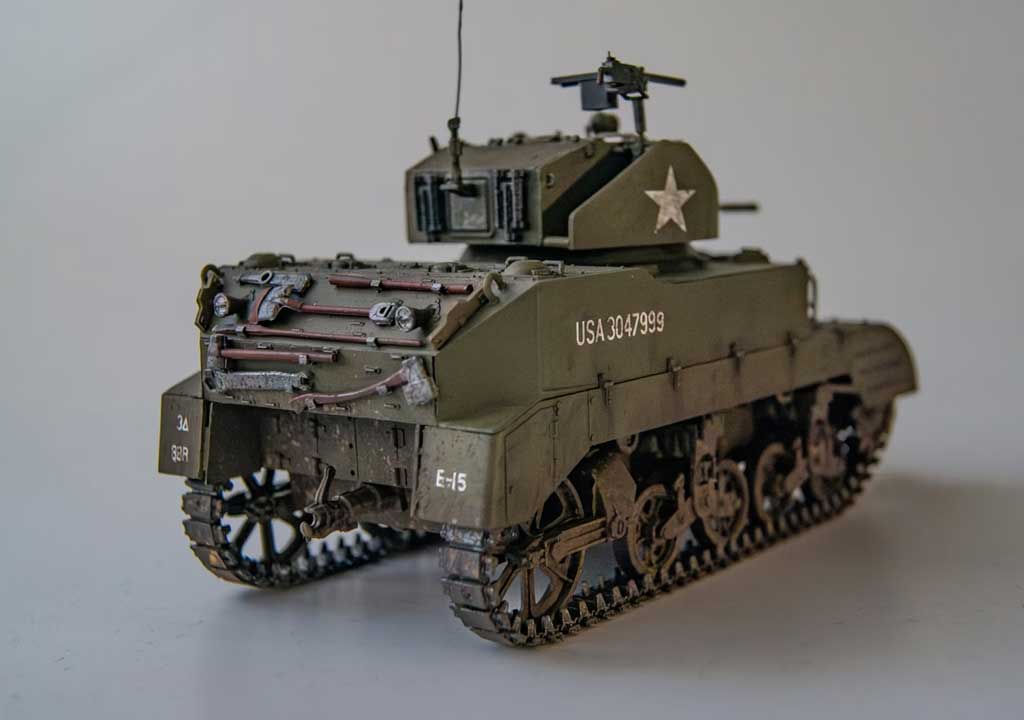
Weathering Tanks: Mud, Tracks, and Bolt-Head Texture
Starting point
1) After your base coat, determine how muddy or dusty the environment should be. Desert? Wet battlefield? Forested winter mud? 2) Apply a light oil wash to shade recessed armor panels and cast shadows under doors, hatches, and mudguards. 3) Use a slightly thicker glaze on the lower hull and around track guards to simulate mud deposition.
Tracks and lower hull
4) Pigments thrive on tracks. Lightly dust pigments around the track links and the lower hull. Accrete more pigment in crevices and along the edges where dirt would collect. 5) Build up pigment layers in multiple passes to create depth, starting with light dust and gradually introducing darker browns for mud and grime.
Wear on metal parts
6) Rust and metal wear around bolts and raised edges: apply a small amount of pigment path along bolts and rivets. Lift with a damp brush to create a weathered, corroded look. 7) Edge highlights with a nearly white pigment or a light metallic oil glaze to simulate worn edges catching light.
Weathering balance
8) Reassess the overall tone. If the surface is too dense, apply a thin filter or glaze that cools or warms the surface color to tie it all together. 9) Seal with a matte top coat to preserve the texture and prevent pigment migration during handling.
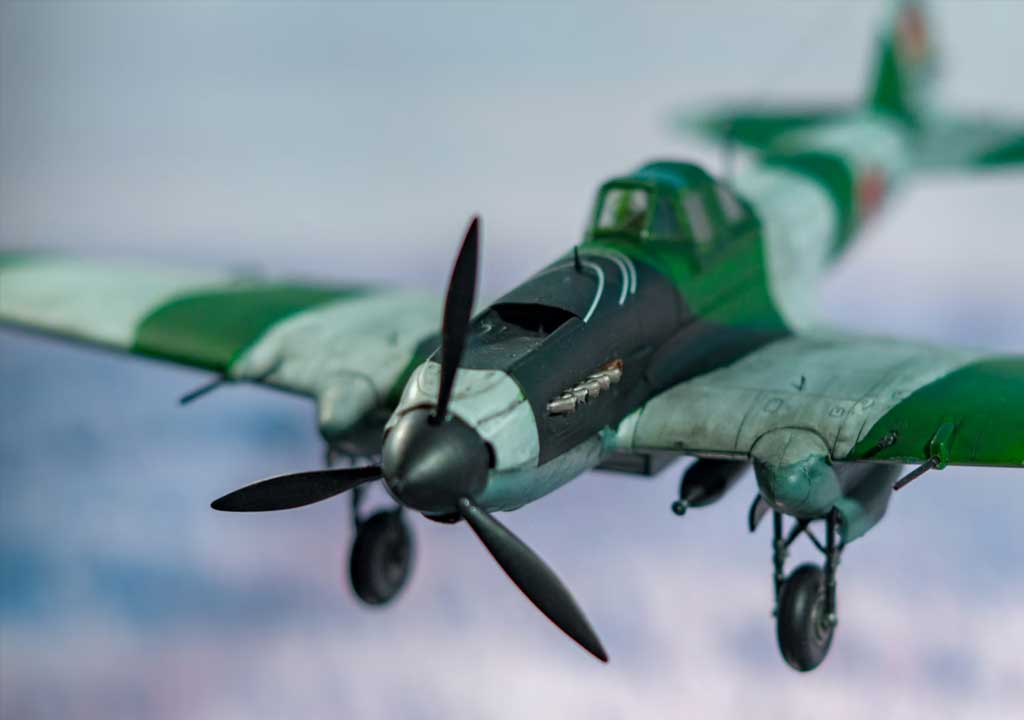
Weathering Planes: Exhaust, Wind, and Panel Lines
Starting point
1) Planes accumulate exhaust and wind-blown dust. Decide where the major exhaust plumes and streaking will occur-typically behind the engine nacelles, along the fuselage underside, and around panel lines near the cockpit. 2) Begin with a light oil wash around engine areas to deepen shadows and simulate heat staining.
Exhaust and staining
3) Apply pigments in the exhaust zones using darker powders (burnt umber, black, or graphite). Use a dry brush to spread light, linear streaks from the exhaust outlets along the direction of air flow. Layer gradually to achieve a natural soot gradient. 4) For sustained, wind-borne dust, dust pigments on the upper surfaces and along the wheel wells and landing gear. Use a soft brush to blend into the paint and fix with a binder or fixative.
Panel lines and maintenance grime
5) Use a pale glaze to tint panel lines and edge details. A thin, cool-toned glaze (blue-gray or green-gray) can simulate service aging without overpowering the base color. 6) Chipping can be discreet: a few micro-chips near access panels or near high-wear areas to reveal primer. Lift with a damp brush for soft edges rather than sharp chips, if the aim is subtle realism.
Final stage
7) Apply a final matte or satin sealant to blend all weathering into a coherent finish. 8) If needed, intensify highlights with a touch of white pigment on raised edges to mimic light catching the corners of panels and rivets.
Color Theory and Palette Planning
To achieve believable weathering, think in layers and tonal relationships rather than single, overpowering colors. A couple of practical guidelines:
- Base color harmony: Choose a base coat that reflects the vehicle's era, environment, and paint type. Then plan weathering colors that complement rather than clash with the base. For example, a desert vehicle might use warm ochres and burnt umber for grime, with cool gray-blue undertones for shadows.
- Restricted saturation: Weathering colors should be less saturated than the base color. Earth tones, muted reds, and grays mimic real grime better than bright pigments.
- Scale and texture: Dust and grime should be finer at smaller scales; avoid large clumps. Use light dusting and a soft touch to mimic how particles settle on real surfaces.
- Directional logic: Debris and stains appear where wind and gravity would place them. Plan streaks to flow downward or toward wheel wells and exhausts, not randomly across the surface.
Palette ideas by domain
- Cars: Burnt umber, raw umber, Payne's gray, yellow ochre, ivory for highlights, small amounts of ochre or sienna for warm weathering, with white for dry highlights.
- Tanks: Raw umber, burnt sienna, iron-oxide pigments, black, sienna for rust, plus a touch of pale gray for primer hints in chipped spots.
- Planes: Black/brown pigments for exhaust, gray-blue for soot in vent areas, pale earth pigments for desert grime, and a hint of yellowish ochre where sun-bleached paint would be.
Layering, Sequencing, and Realistic Build-Up
Weathering is typically a multi-step process. A thoughtful sequence helps you maintain control and build depth without overworking the model. A practical workflow might look like this:
- Base coat and clear finish: Apply a base coat appropriate to your subject and finish with a matte or satin clear to prepare the surface.
- Soft oil glaze to unify: Use a light oil wash to bring cohesion to the panel lines and to start shaping the overall tonal direction.
- Targeted pigments for texture: Add pigments to key areas (lower hulls, wheel wells, engine areas, exhaust zones) to simulate dust, mud, or soot.
- Chipping and edge wear: Carefully introduce chips along edges, rivets, and door seams with micro-chips of lighter color, softened with lifting.
- Streaking and grime: Apply streaks with a tuned brush to simulate grime traveling down panels and along lines. Wipe to soften.
- Rust and oxidation: Carefully place rust tones in crevices, around bolts, and in areas that would be damp or corroded.
- Final blending and fixative: Use a final glaze if needed to harmonize tones, then fix pigments with a binder or fixative.
- Protective top coat: Seal with a matte or satin top coat to protect the weathering and unify the finish.
Patience is essential. Allow drying time between layers, especially if you're working with oils. The ability to come back later with lifting techniques or additional pigment layers is one of the strengths of this approach, enabling refinement without starting over.
Common Mistakes and How to Avoid Them
Even experienced builders make missteps when learning oil-and-pigment weathering. Here are common pitfalls and practical fixes:
- Overloading the surface with pigment: Start light and build up gradually. A dusting is often enough to imply grime; heavy pigment can look unnatural and mask panel lines.
- Rigid edges on streaks or chips: Real weathering flows and bleeds a little. Soften edges and vary the width and intensity of streaks to mimic natural weathering.
- Incompatibility of products: Ensure your pigments and fixatives are compatible with the underlying finish. Test on a spare part or test piece before applying to your model.
- Neglecting scale: Remember scale cues. A 1/72 plane won't look right with the same intensity of dust as a 1/24 car. Keep the color saturation and texture restrained.
- Skipping sealing: If you don't seal pigments properly, they can migrate or rub off during handling. Use a suitable fixative or top coat as a final step.
Practical Tips for Success
These quick tips help you achieve consistent results:
- Work in stages and document each step with notes or photos. This helps you replicate or adjust later and gives you a reference for colors and intensities used.
- Keep a dedicated, ventilated space and clean tools frequently. Oils can stain brushes and cloth, so keep a clean set of dedicated weathering tools.
- Use reference photos to guide where grime would accumulate (hydraulic lines, exhaust outlets, and wheel wells are good starting points).
- Experiment with small test patches before applying to the model. This practice helps you calibrate colors, thickness, and fixation methods.
- When in doubt, lean toward lighter weathering. It's easier to add more later than to remove excess pigments once a seal is in place.
Case Study: A Hypothetical Build
Imagine you're weathering a 1/35 scale WWII-era tank, a mid-sized armored vehicle from a field-dropped paint scheme. Your goal is a realistic, subtly aged appearance suggesting a few months of field service.
Step 1: Base and base coat. You've painted the hull in a neutral olive drab with a satin finish. You apply a light oil wash in a dark umber to define panel lines and rivets, wiping away excess to leave a soft shadow around details.
Step 2: Mud and dust. You dust the lower hull, track guards, and underside with a light brown pigment. The pigment is fixed with a matte binder, leaving a subtle accumulation around the track edges and on the suspension.
Step 3: Weathering of metal edges. You apply a thin glaze along high-wear edges to simulate worn paint revealing a primer or metal edge. This is delicate and elongated, rather than a complete reveal of metallic shine.
Step 4: Streaks and grime. You add vertical streaks running down the slopes of the hull from rivets and edges. The streaks are toned with a cooler gray for depth and then softened with a brush to mimic the way rain and wind displace grime over time.
Step 5: Rust and bolts. You place tiny rust specks near bolts and anchor points using a mixture of rust pigments and a hint of ochre. The specks are refined with a tiny brush and fixed with a light spray.
Step 6: Final glaze and seal. A soft, neutral glaze ties the surface color together. You seal with a matte finish and allow it to cure before handling. The result is a field-winished tank that looks used but not abused-a believable snapshot in time.
Finishing Thoughts: Realism Through Restraint
Weathering with oils and pigments is less about showing off technique and more about telling a story. A reader of your model should sense the environment, the vehicle's role, and its age, all through careful color relationships and texture. The goal is subtle depth-a realistic, tactile feel that invites closer inspection without shouting•here's the weathering."
As you practice, you'll begin to recognize a few core ideas that consistently produce convincing results:
- Always start with a clear narrative of the vehicle's environment and use that to guide where grime goes and how it's tinted.
- Keep pigment applications restrained and layered; the first pass should be light and editable.
- Use glazes to unify color and maintain a coherent look across the whole model.
- Finish with a protective top coat that suits the degree of weathering, preserving the subtle depth you've created.
Concluding Advice
Weathering is a discipline that rewards patience and practice. Oils and pigments give you a powerful toolkit for building depth and texture that feels real on a small scale. Whether you're working on a sleek car, a rugged tank, or a sprightly reconnaissance plane, the key is to layer gently, observe how light and color interact, and preserve the balance between detail and overall cohesion. Start with small tests, plan your palette, and let the model guide you toward the right intensity. Over time, your cars, tanks, and planes won't just look worn-they'll tell a believable, nuanced story of time, place, and purpose.
Want More Tips?
If you'd like deeper demonstrations, consider creating a mini-series of practice sheets: one focusing on wheel-well dust on a car, another on track mud on a tank, and a third on exhaust staining on a plane. Document the colors, ratios, and steps you use in each case so you can recreate or modify them in future projects. Sharing your experiments helps the community grow and offers a practical reference for beginners and experienced hobbyists alike.
And above all, enjoy the process. Subtle weathering isn't about making a model look dirty; it's about conveying a sense of history, usage, and character. Oils, pigments, and patient hands can render that story with a quiet confidence that elevates a good build into something truly engaging.
LIKED THIS ARTICLE? SHARE IT: